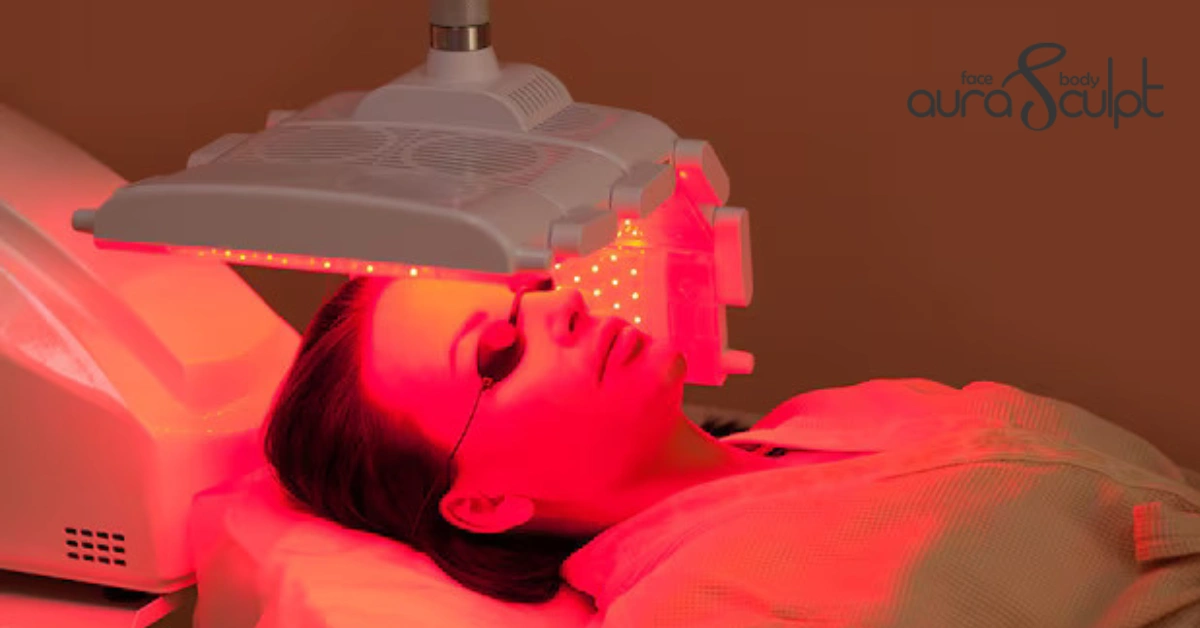
Hyperpigmentation — those stubborn dark patches or uneven skin tone — is one of the most common skincare concerns. It can be caused by sun damage, acne scars, hormonal changes, or aging. While many treatments promise results, a rising star in non-invasive skincare is LED light therapy. But can it truly help reduce hyperpigmentation? Let’s dive into the science behind it.
Understanding Hyperpigmentation
Hyperpigmentation occurs when the skin produces excess melanin, the pigment that gives your skin its color. Common forms include:
- Sunspots or age spots – from prolonged UV exposure
- Post-inflammatory hyperpigmentation (PIH) – dark marks left by acne or injuries
- Melasma – often triggered by hormones or pregnancy
Treating hyperpigmentation requires addressing melanin production and supporting the skin’s healing process — and this is where LED therapy shines.
💡 How LED Therapy Works
LED (Light Emitting Diode) therapy uses specific wavelengths of light to stimulate the skin at a cellular level. For hyperpigmentation, two main colors of light are most effective:
- Red Light (620–700 nm):
Promotes collagen production, reduces inflammation, and supports skin repair — all essential for healing and evening out skin tone. - Near-Infrared Light (700–900 nm):
Penetrates deeper layers of the skin, enhancing cell regeneration and improving overall skin health.
Some advanced devices also use green light (520–560 nm) to target pigmentation by calming overactive melanocytes (cells that produce melanin).
✨ Benefits of LED Therapy for Hyperpigmentation
LED therapy can be a powerful ally in your skincare journey. Here’s how it helps:
- 🌞 Reduces Dark Spots Gradually: Helps regulate melanin production over time.
- 💆 Boosts Skin Healing: Promotes cell turnover and minimizes post-acne marks.
- 🌿 Gentle on Sensitive Skin: Non-invasive and suitable for most skin types.
- 🧖 Enhances Other Treatments: Works well alongside chemical peels, microneedling, or topical brightening products.
🕒 What to Expect from LED Therapy
LED therapy is painless and requires no downtime. A typical session lasts about 15–30 minutes, and visible improvements often appear after a series of treatments (usually 6–8 sessions). Consistency is key — gradual results are more sustainable.
⚠️ Important Considerations
While LED therapy is safe for most people, it’s important to:
- Consult a licensed skincare professional before starting.
- Combine it with sunscreen and proper skincare to prevent further pigmentation.
- Manage expectations — severe pigmentation may require combined treatments.
🌟 The Bottom Line
LED therapy is not a magic overnight fix, but it’s a proven, science-backed tool for improving skin health and addressing mild to moderate hyperpigmentation. By boosting skin repair and regulating melanin production, it can help achieve a clearer, more even complexion — especially when combined with a professional skincare routine.
If you’re struggling with stubborn dark spots or uneven skin tone, LED light therapy may be the gentle, non-invasive solution you’ve been searching for.